From Rare Diagnosis to Real Life Planning.
There are moments in life that change your perspective forever. For me, one of those moments was learning that I have Maroteaux-Lamy Syndrome (MPS), a rare genetic storage disease (LSDs) caused by the body’s inability to produce specific enzymes. As a result, cells do not perform properly, causing damage throughout the body, including heart, bones, joints, respiratory system, and central nervous system. While most people have never heard of MPS VI. living with it has shaped how I view health, family, faith, and even financial planning.
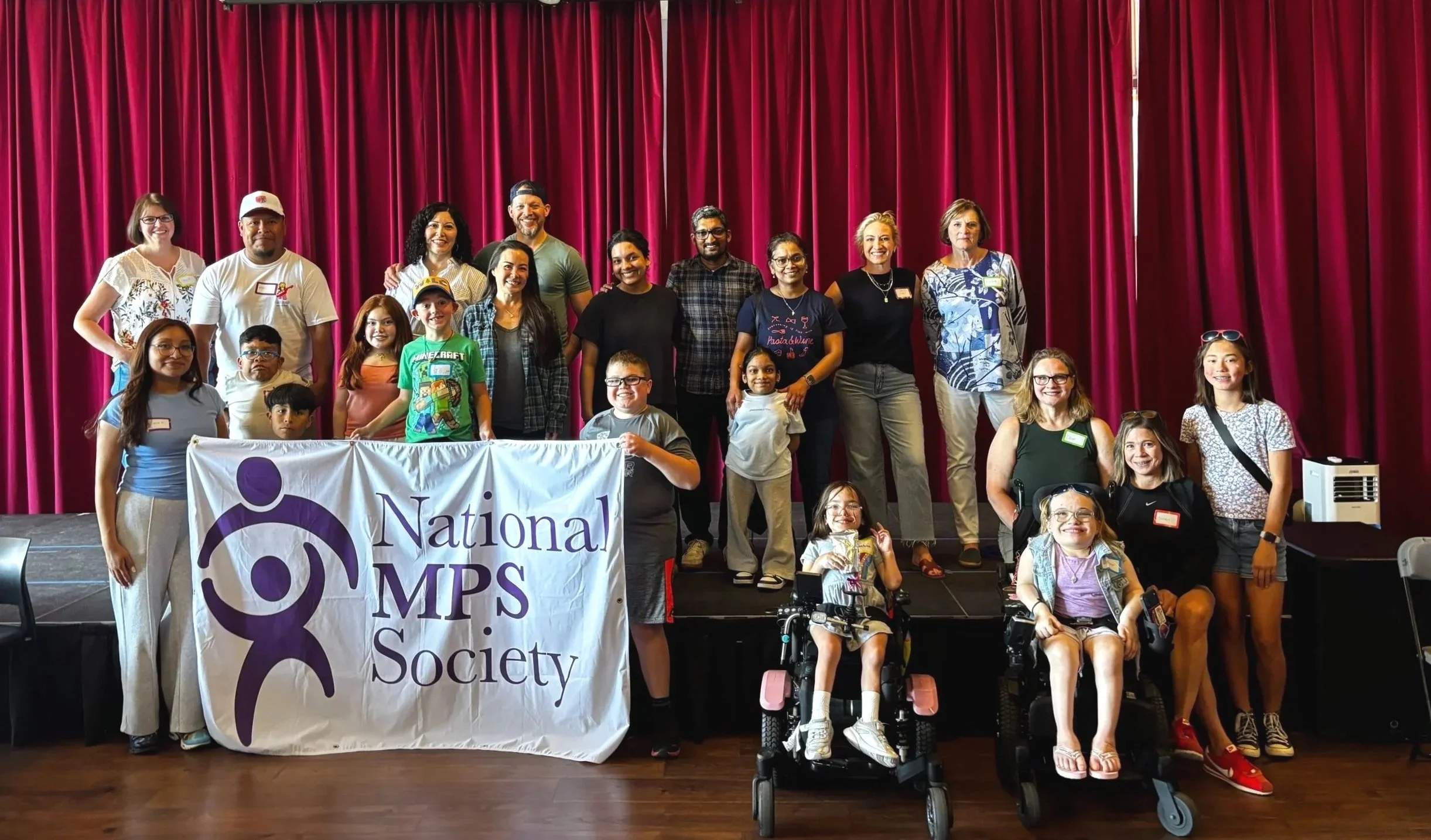
Recently, I had the opportunity to attend the Seattle Crossing Paths Family Event hosted by the National MPS Society. What I expected to be an educational event became something much more meaningful. It became a reminder that while our diagnoses may be rare, none of us are walking this journey alone.
Most people don’t know what MPS VI is. They don’t understand the doctor’s appointments, the surgeries, the treatments, the uncertainty, or the emotional toll that can come with a lifelong medical condition.
At first I wasn’t sure I “needed” to go to this event, I am so glad I was able to go. For a few hours, I was surrounded by families who understood, parents advocating for their children, adults navigating life with rare diseases, families celebrating victories that others might overlook. There was an immediate sense of connection because everyone in the room understood what it means to face challenges that most people never see.
The National MPS Society does far more than organize events, they provide education, support, advocacy, research funding, and community for families affected by MPS and related disorders. For families they become a lifeline. They remind us that even though these diseases are rare, we are part of a larger community that understands the journey and continues to push for better treatments and brighter futures.
Living with MPS VI has taught me something many people don’t realize until they are forced to face it. Life can change unexpectedly. Non of us know what tomorrow holds, anything from a diagnosis, a surgery, a health challenge, a family crisis. The reality is that planning isn’t about expecting the worst. It’s about creating stability when life becomes unpredictable.
As someone who has faced significant health challenges, including being diagnosed with MPS and later undergoing open heart surgery (one of many surgeries) I understand firsthand how quickly life can shift. Those experiences changed the way I think about preparation.
One of the reasons I became passionate about helping families with insurance and retirement planning is because I know what uncertainty feels like.
When you’ve spent time in hospital rooms, the ICU, waiting rooms, and doctor’s offices, you begin to understand that financial planning isn’t really about money. It’s about people, about protecting the people you love, it’s about making sure a spouse, a child, or a family member isn’t carrying unnecessary burdens during an already difficult season.
Whether it’s life insurance, long-term care planning, or preparing for retirement, the goal is the same. To create options, security, and peace of mind. Not because we are afraid of what happens, but because we care deeply about the people who would be affected if it did.
Before my diagnosis, I probably viewed planning the same as many people do, it’s something to think about later. Living with a rare disease taught me that “later” isn’t guaranteed. That doesn’t mean living in fear, in fact it’s the opposite. Planning allows us to live more freely because we’ve taken the steps to prepare for the unknown. It’s one less thing to worry about, one less burden for our families, and one more way to care for the people we love.
As I left the Seattle Crossing Paths Event, I felt grateful. Grateful for the families I met. Grateful for the work of the National MPS Society. Grateful for the medical advancements, that continue to improve lives, and grateful for the perspective that the journey has given me.
MPS VI is part of my story, it has shaped who I am, it has taught me resilience, gratitude, and faith, and It has reminded me that whether we’re navigating a rare disease or planning for the future, we’re all trying to do the same thing-Take care of the people we love, and that’s a goal worth planning for.
Tracy DeWaard